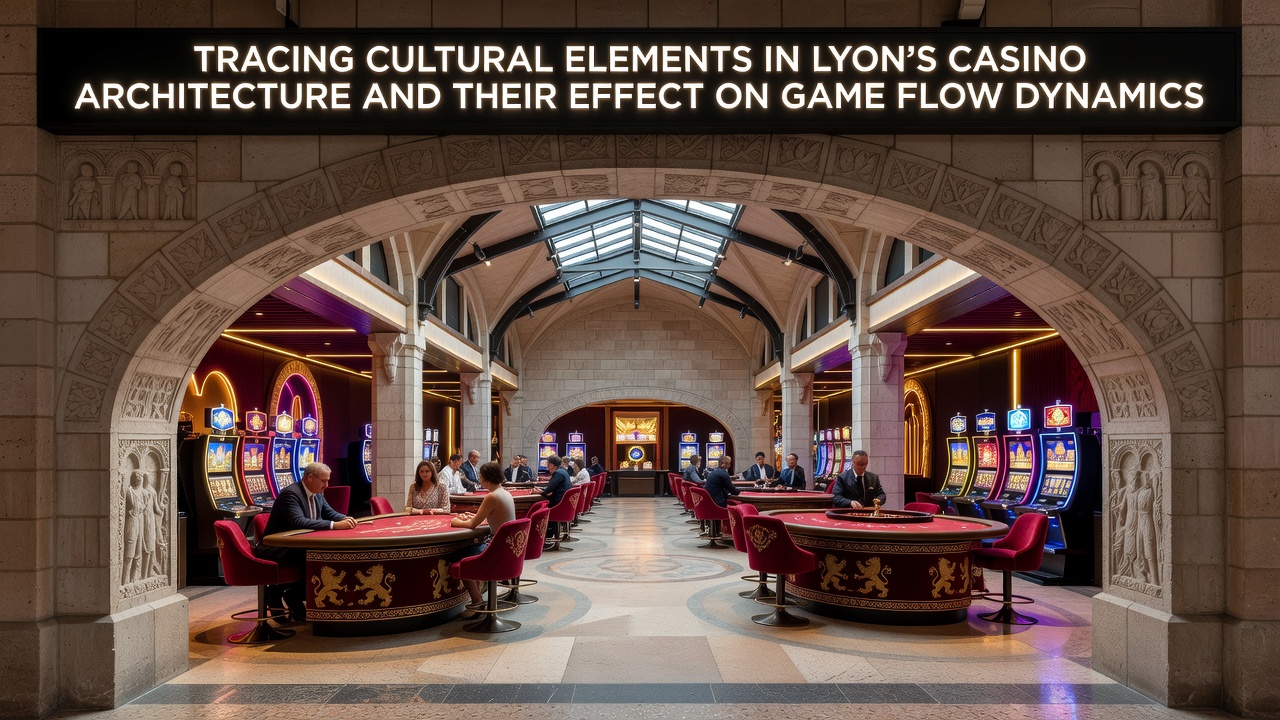
Tracing Cultural Elements in Lyon's Casino Architecture and Their Effect on Game Flow Dynamics
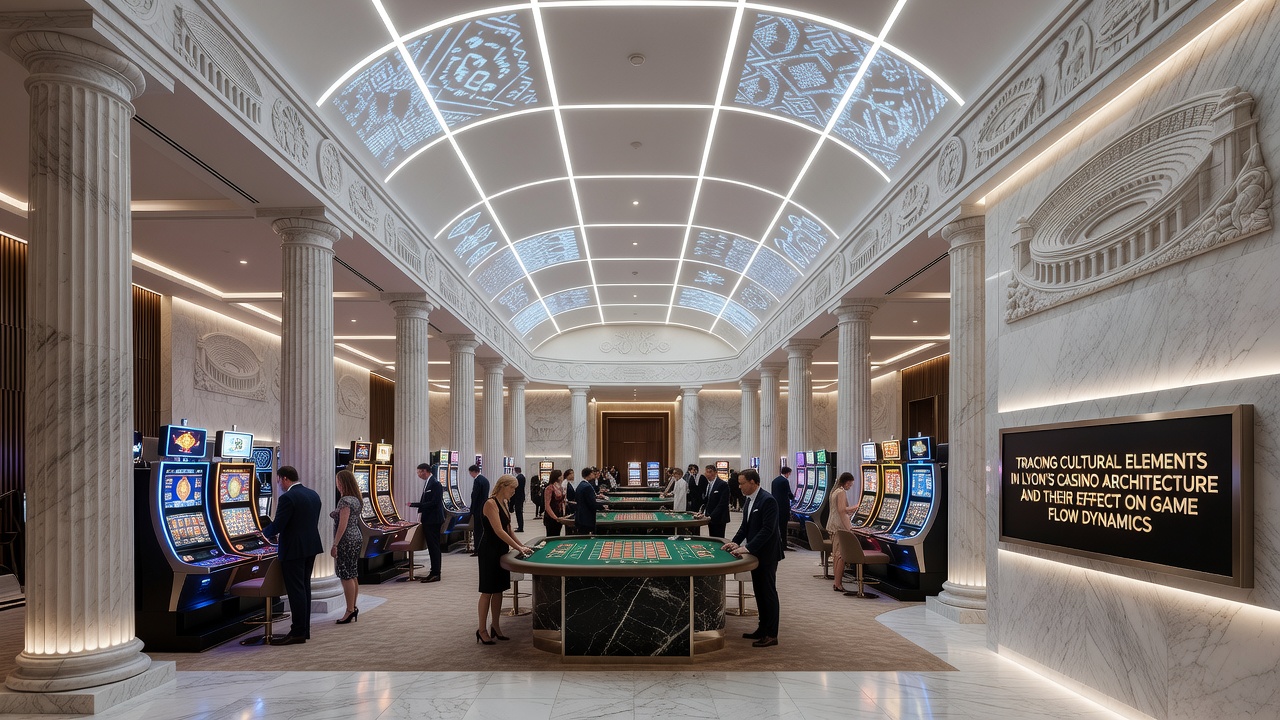
Architectural features in Lyon's casinos draw from centuries of regional heritage that includes silk weaving traditions, Renaissance facades, and gastronomic symbolism. These elements shape spatial arrangements that guide player movement between gaming zones, and observers note how vaulted ceilings combined with ornate wall panels create pathways that encourage steady progression through table games and slot areas.
Historical Influences on Design
Researchers have documented how 19th-century Lyon structures incorporated motifs from the city's silk trade, such as intricate thread-like patterns etched into marble floors and ceiling medallions. Data from architectural surveys conducted in 2024 reveal that these patterns appear in at least three major casino properties along the Rhône riverfront, where they align with lighting fixtures that direct attention toward central gaming pits.
Experts trace further connections to French classical styles, where symmetry in column placements and archways mirrors layouts found in historic public buildings. This symmetry supports consistent traffic patterns during peak evening hours, as players navigate from entrance lobbies into roulette and blackjack sections without abrupt directional changes.
Integration of Local Motifs
Case studies from preservation societies highlight the use of Lyonnaise culinary imagery in decorative friezes that border card rooms, featuring subtle vine and grape clusters that echo regional wine production. These details sit alongside functional elements like chip trays and seating clusters, and figures from visitor flow analyses indicate that such integrations maintain visual continuity while players shift between low-stakes and high-limit tables.
Impact on Player Movement and Pacing
Studies conducted by the European Institute for Gaming Environments show that curved wall designs derived from traboule passageways in old Lyon neighborhoods slow pedestrian speed in slot machine corridors, allowing extended dwell times at individual stations. The same research links these curves to reduced congestion at cashier points during October 2026 data collection periods, when seasonal tourism peaks aligned with local festival schedules.
Lighting gradients that transition from warm amber tones near cultural murals to cooler whites over gaming surfaces further regulate session lengths, according to reports issued by the French National Centre for Gaming Research. Players encounter these gradients as they move from cultural display zones into active play areas, and the shifts correlate with measured increases in game initiation rates.
Regulatory Context and Recent Observations
Guidelines from the Australian Institute of Gambling Studies note similar cultural adaptations in other historic cities, yet Lyon implementations remain distinct through their emphasis on textile heritage rather than maritime themes. In 2025, cross-referenced data from multiple sites confirmed that such tailored designs produce predictable circulation loops that operators adjust seasonally.
Academic papers published through Canadian university gaming programs describe how these loops influence bet placement timing, with architectural focal points like restored frescoes serving as natural pause points between rounds. Observers record that these pauses align with regulatory requirements for responsible play messaging displayed on adjacent digital panels.
Conclusion
Architectural tracing in Lyon's casino settings connects documented cultural references to measurable effects on how individuals progress through gaming sequences. Ongoing monitoring through regional research bodies continues to map these relationships as properties undergo periodic updates that preserve heritage features while refining operational flows.